Hiking from Aspen to Crested Butte: Colorado’s Most Beautiful Alpine Adventure
There are certain Colorado experiences that feel almost cinematic. The hike from Aspen to Crested Butte through West Maroon Pass is one of them, providing memories that will stay with you long after the trip ends.
Crossing high alpine terrain beneath jagged peaks, the trail winds through open meadows, rocky switchbacks, wildflower-filled valleys, and quiet stretches of wilderness that feel untouched by time. It is widely considered one of the most beautiful hikes in Colorado for its unbeatable scenery and dramatic change of landscape mile by mile.
For travelers spending time in Crested Butte during summer or early fall, this trail is a rare, unforgettable opportunity to experience the Rockies.
The Aspen to Crested Butte Hike at a Glance
Also known as the West Maroon Pass Trail, this point-to-point hike connects Aspen and Crested Butte through the Elk Mountains.
Trail Details
- Distance: Approximately 10–11 miles one way
- Difficulty: Strenuous
- Highest Elevation: West Maroon Pass at roughly 12,500 feet
- Best Time to Hike: Late June through September
- Peak Wildflower Season: July through early August
Most hikers begin near the Maroon Bells outside Aspen and finish in Crested Butte, where you gradually descend with breathtaking scenery.
Begin Your Journey Near the Maroon Bells
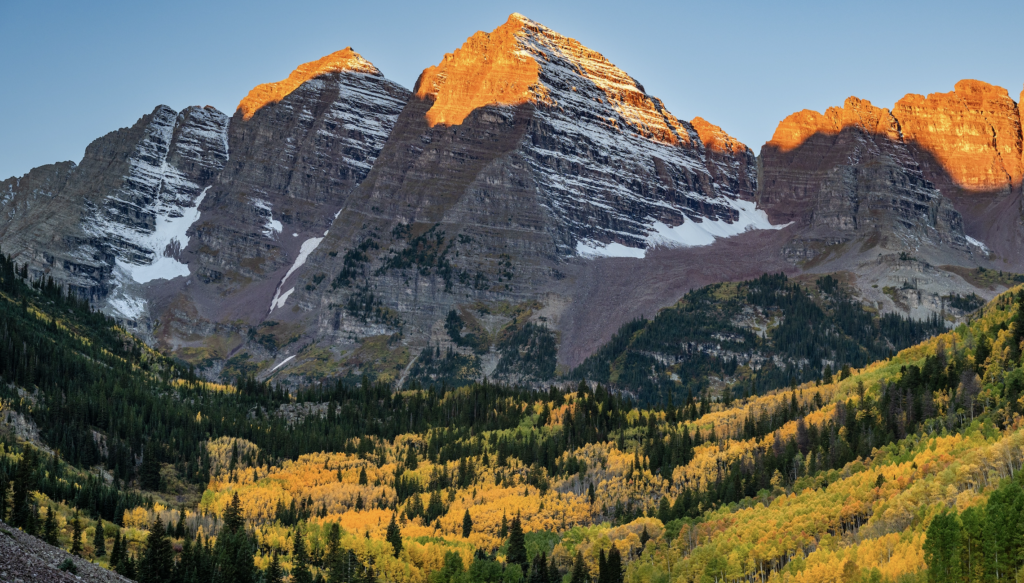
Starting your hike near the Maroon Bells outside Aspen, the trail quickly moves beyond the lake and into the surrounding forest. Early in the morning, the area is noticeably quieter before shuttle traffic and day hikers pick up later in the day.
After the first few miles, the trail climbs more steadily through aspen groves and evergreen trees before opening into higher alpine terrain. The elevation gain is gradual at first, making this stretch feel more approachable than the miles ahead.
Once the views begin to open up, it becomes easy to understand why this route is considered one of the most memorable hikes in Colorado.
Crossing West Maroon Pass
As the trail climbs above treeline, the terrain becomes more rugged and exposed. Loose rock replaces dirt paths, and the air grows noticeably thinner with elevation.
At more than 12,000 feet, West Maroon Pass delivers panoramic views stretching across the Elk Mountains in every direction. Layers of peaks rise beyond alpine basins carved by snowmelt and weather over thousands of years.
This is typically the most physically demanding portion of the hike, especially for visitors not yet acclimated to altitude. Even experienced hikers often find themselves slowing down here, taking in both the scenery and the reality of the elevation.
Still, reaching the pass feels less like arriving at a summit and more like stepping into another landscape entirely.
Descending Into Crested Butte
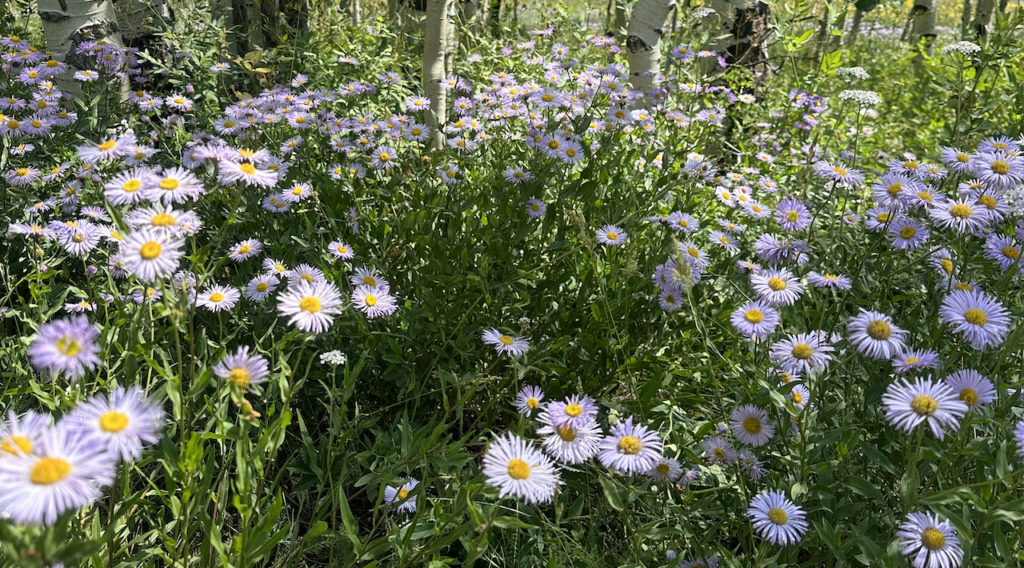
The Crested Butte side of the trail offers an entirely different atmosphere. The terrain softens into rolling meadows fed by alpine streams, with fields of wildflowers stretching beneath surrounding peaks.
By mid-summer, the valleys are filled with columbine, lupine, Indian paintbrush, and sunflowers. The color is especially vibrant in July, when snowmelt keeps the landscape intensely green and afternoon storms drift dramatically across the mountains.
Lower on the trail, the rugged alpine terrain gives way to wider valleys and open meadows outside of Crested Butte.
Best Time to Hike from Aspen to Crested Butte
The trail is busiest during wildflower season in July and early August, but late summer and early fall have their own appeal. The air cools, the crowds thin out, and the landscape shifts as the aspens begin to change.
No matter the season, early morning starts are strongly recommended. Afternoon thunderstorms develop quickly in Colorado’s high country, particularly above treeline.
Tips for Hiking the West Maroon Pass Trail
Prepare for Altitude
At over 12,000 feet, elevation can impact even strong hikers. Spending a day or two acclimating before the hike can make the hike feel much more manageable.
Plan Transportation Ahead of Time
Access to the Maroon Bells Scenic Area requires a shuttle or parking reservation. Reservations can be made in advance through the official Visit Maroon Bells site before beginning your hike.
Since this is a point-to-point hike, you’ll need to plan transportation in advance, whether that’s a shuttle, a pickup, or an overnight stay in Crested Butte.
Pack for Changing Conditions
Even on clear days, weather at higher elevations can change fast. A few layers and some rain protection go a long way on the trail.
Take Your Time
This isn’t a trail to rush. While the hike will slow you down on its own, it’s worth taking time to stop at the overlooks, cross the streams, and linger in the open alpine stretches along the way.
Recovering After the Hike in Crested Butte
After a strenuous hike through West Maroon Pass, most travelers can’t wait for a hot meal, a shower, and a chance to kick off their hiking boots and relax. Located just steps from Elk Avenue, Vaquera House provides a quieter, more intimate side of Crested Butte. Guests can enjoy handcrafted cocktails and chef-prepared appetizers, soak in the rooftop hot tub beneath the mountains, or gather around the fire after sunset with homemade s’mores and a glass of wine.
Final Thoughts: Planning Your Aspen to Crested Butte Hike
This route through the Elk Mountains feels much quieter than the ski towns and popular overlooks that surround it. With its towering peaks, wildflower-filled valleys, thin mountain air, and quiet stretches of wilderness, the outside world slips away.
There are very few adventures that offer a better way to experience the landscape surrounding the remarkable mountain town of Crested Butte.
Frequently Asked Questions
How long does it take to hike West Maroon Pass?
The hike typically takes about 6 to 8 hours, though the actual timing depends on your physical ability, weather conditions, and how often you stop to soak in the scenery.
Do you need a permit to hike from Aspen to Crested Butte?
You do not need a permit to hike from Aspen to Crested Butte. However, access to the Maroon Bells Scenic Area requires either a shuttle reservation or a parking permit booked in advance through the Visit Maroon Bells system. This applies to all visitors starting the Aspen to Crested Butte hike.
Can you hike from Aspen to Crested Butte in one day?
It is absolutely possible to hike from Aspen to Crested Butte in a day. However, the trail is long, so many hikers choose to stay overnight in Crested Butte before returning to Aspen.
Which direction is better: Aspen to Crested Butte or Crested Butte to Aspen?
Most hikers prefer to hike from Aspen to Crested Butte. The climb is more gradual, and the descent into Crested Butte tends to be a more scenic, enjoyable experience.
What should I pack for the West Maroon Pass hike?
Essential items include layers, rain protection, water, sunscreen, snacks, and a navigation tool. Weather can change quickly at high elevation, even during summer.
Where do you end the Aspen to Crested Butte hike?
The hike ends near the outskirts of Crested Butte, typically connecting to trailheads or roads that lead into town.